
- Footshop
- Sport
- Sports apparel
- Sports trousers
Sports trousers
 Men's sports trousers
 Women's sports trousers
Products: 126
- Popularity
- New Arrivals
- Lowest Price
- Highest Price
- On Sale
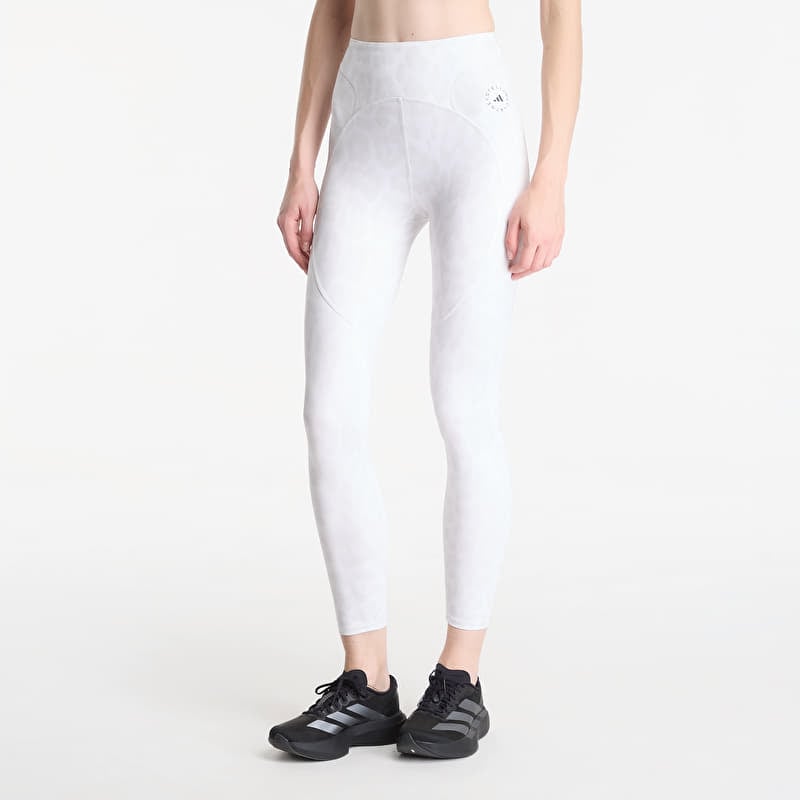


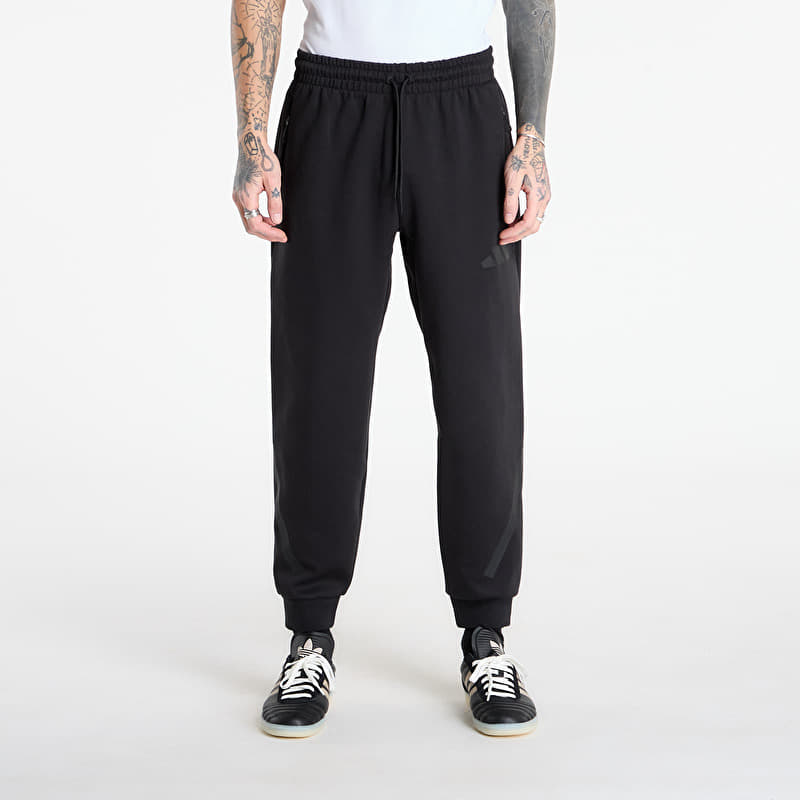

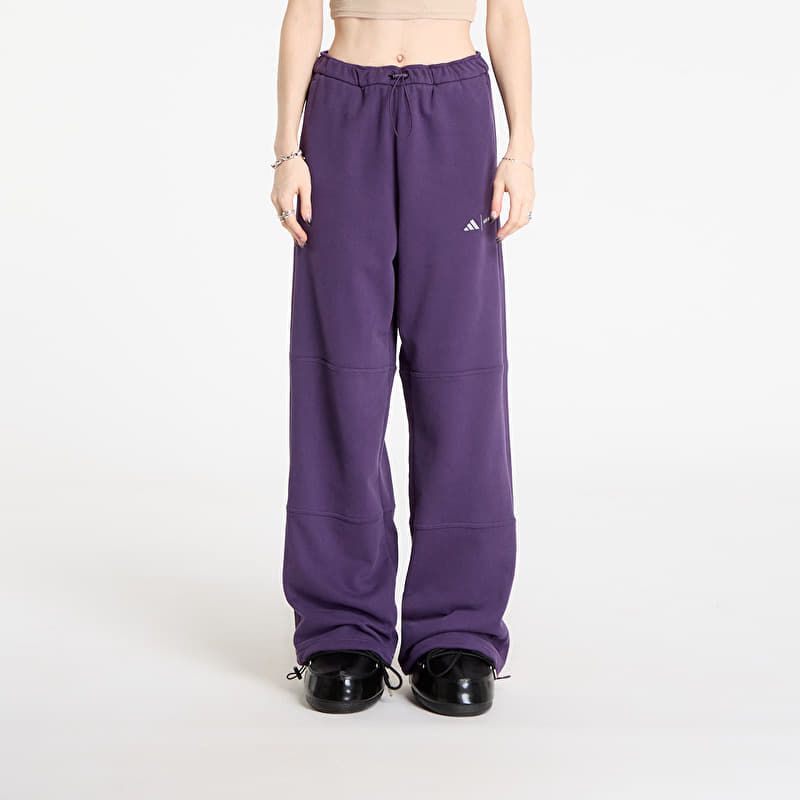
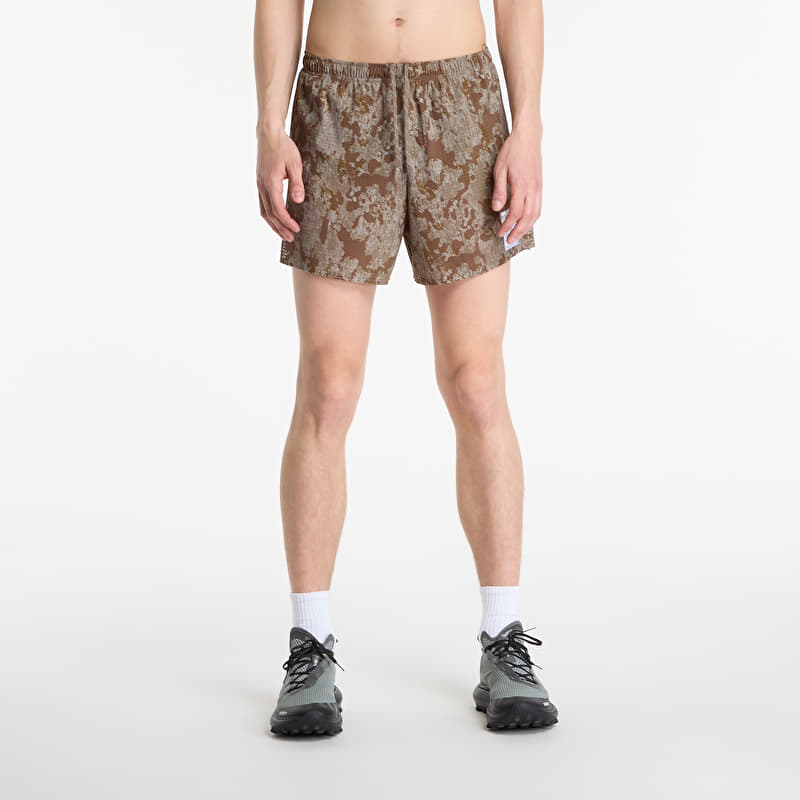
SatisfyShorts Space‑O™ 5" Shorts
€170.00
 Premium Quality
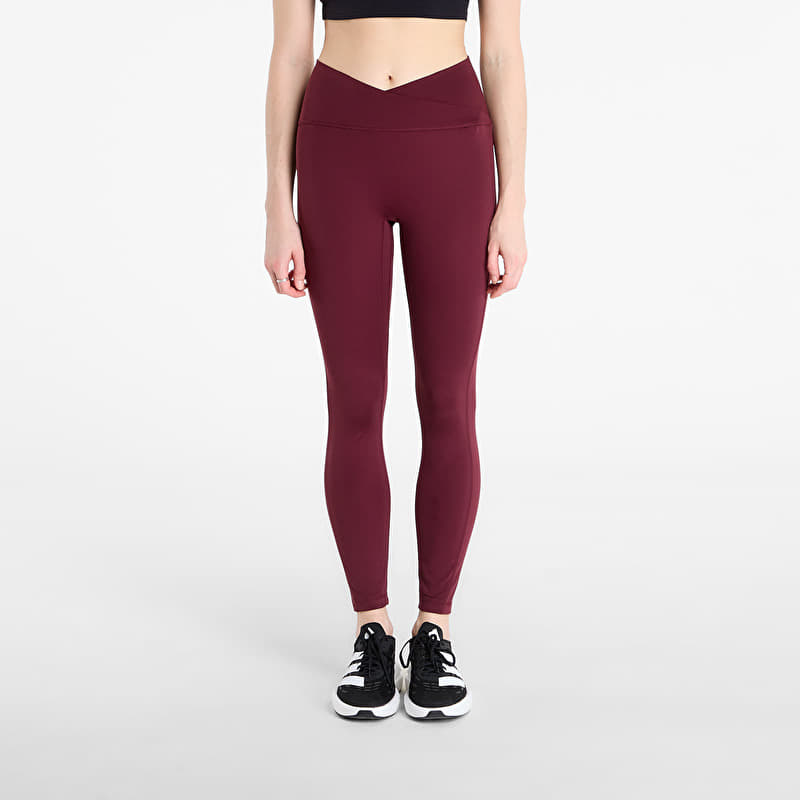
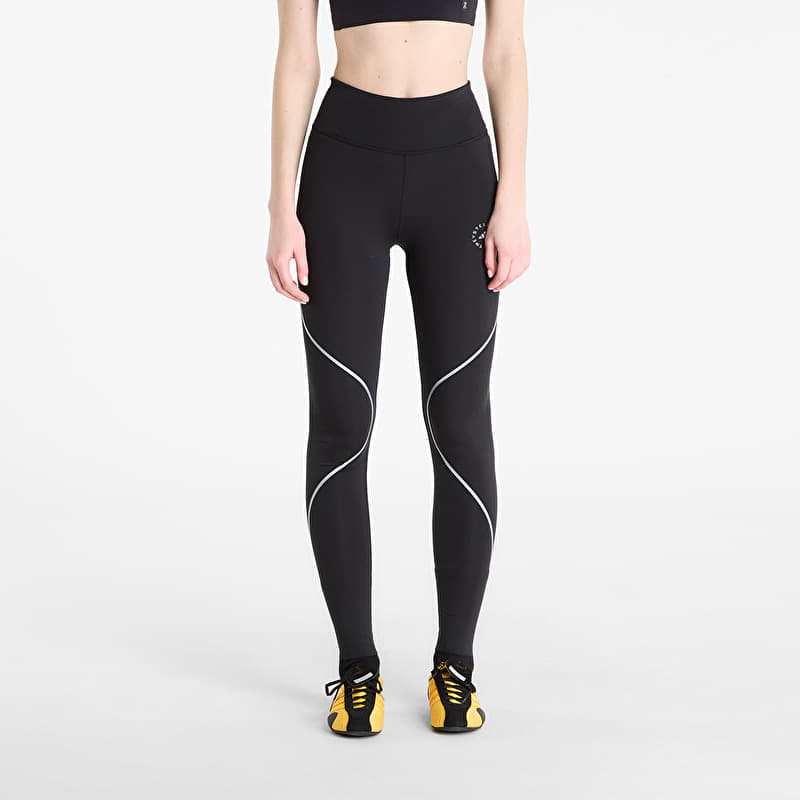
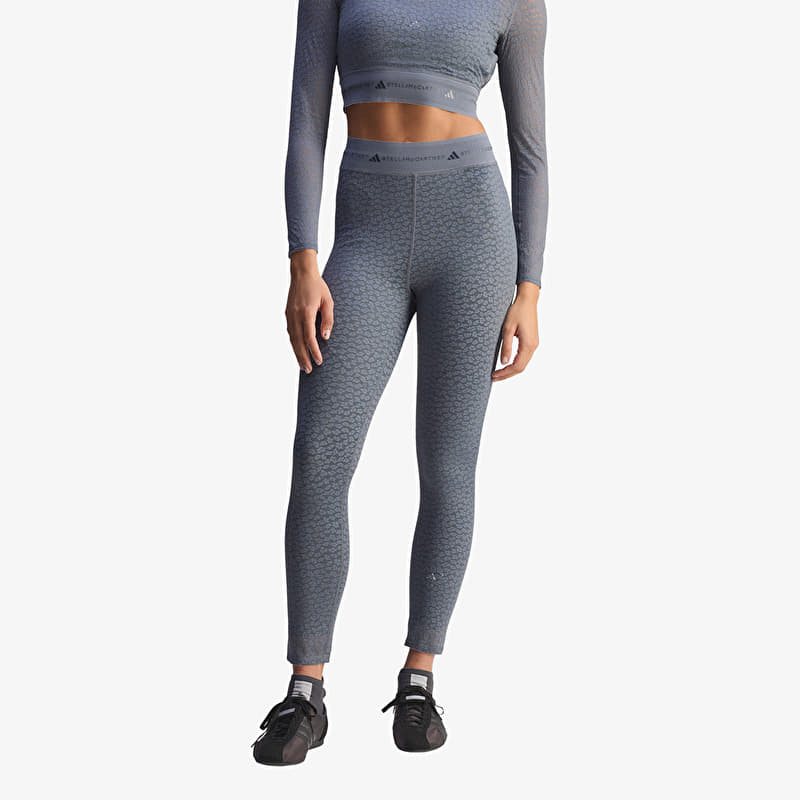

-5 %
EXTRA -15%
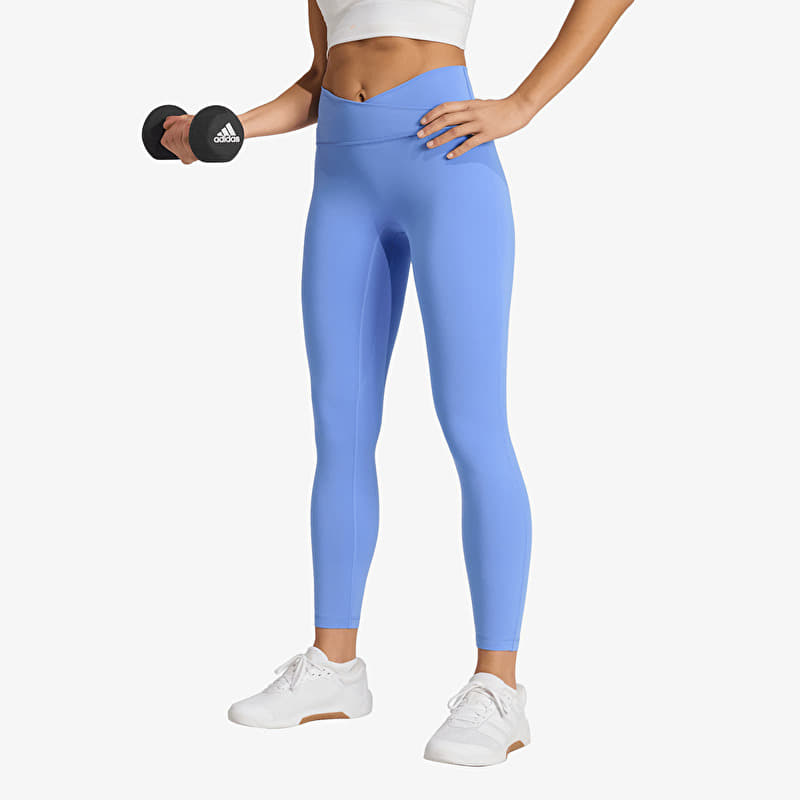
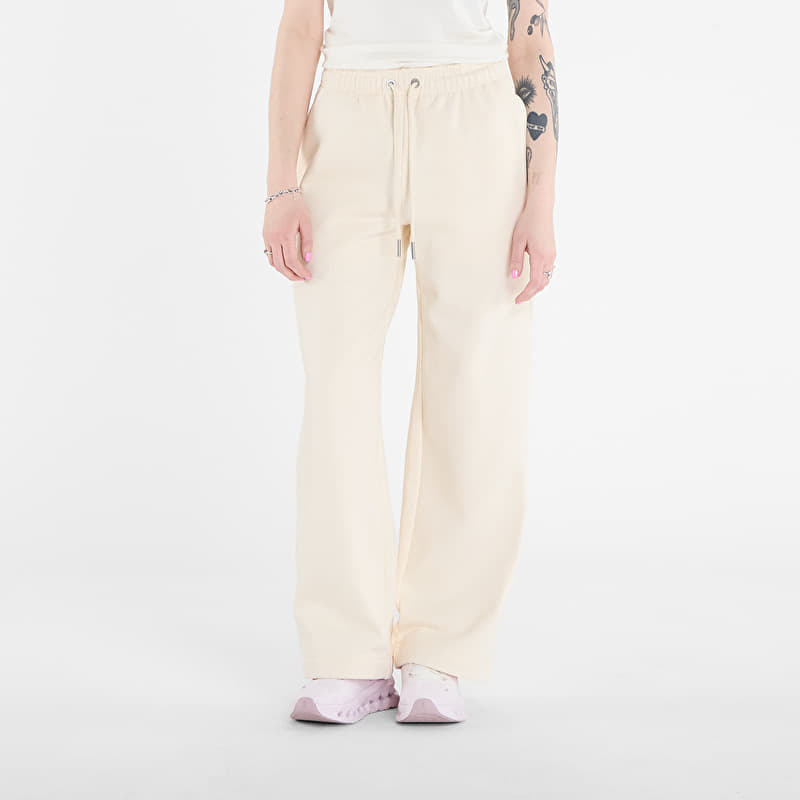
-45 %
OnClub Collective Pants
€65.99€119.95
 Sustainable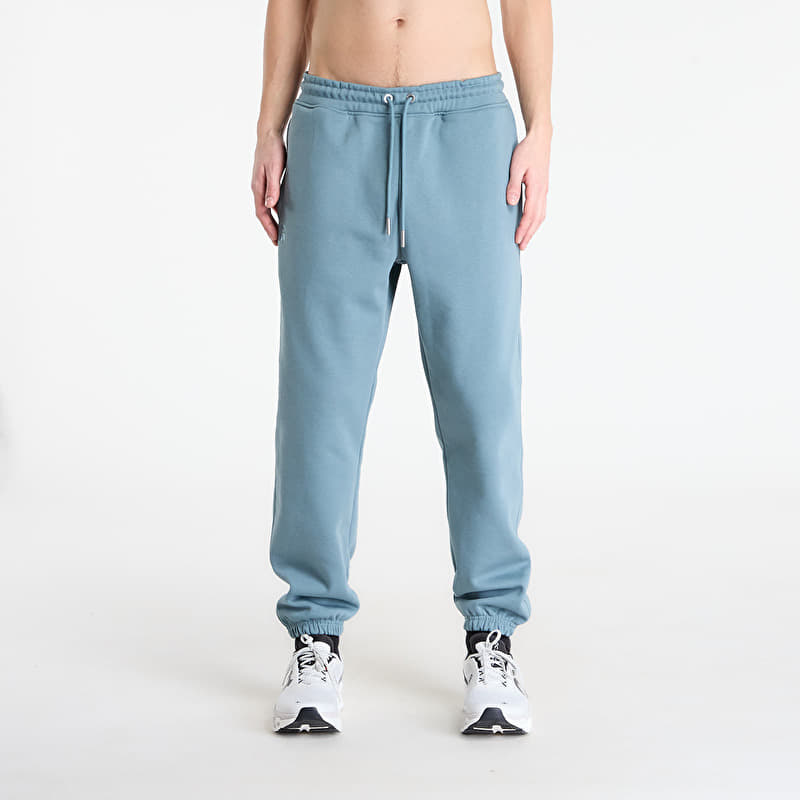
-10 %
OnClub Collective Pants
€107.99€119.95
Sustainable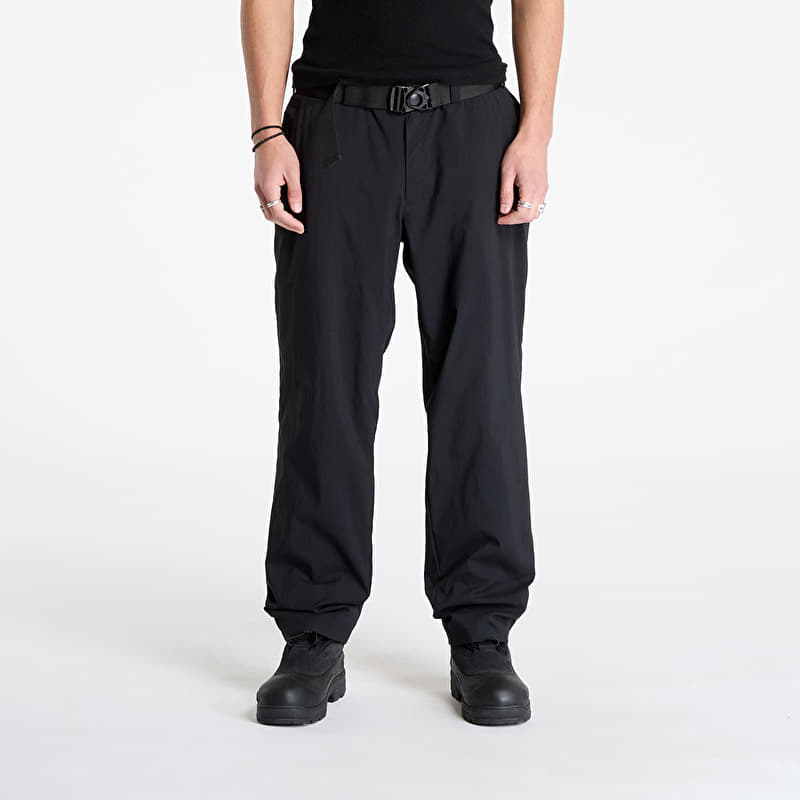
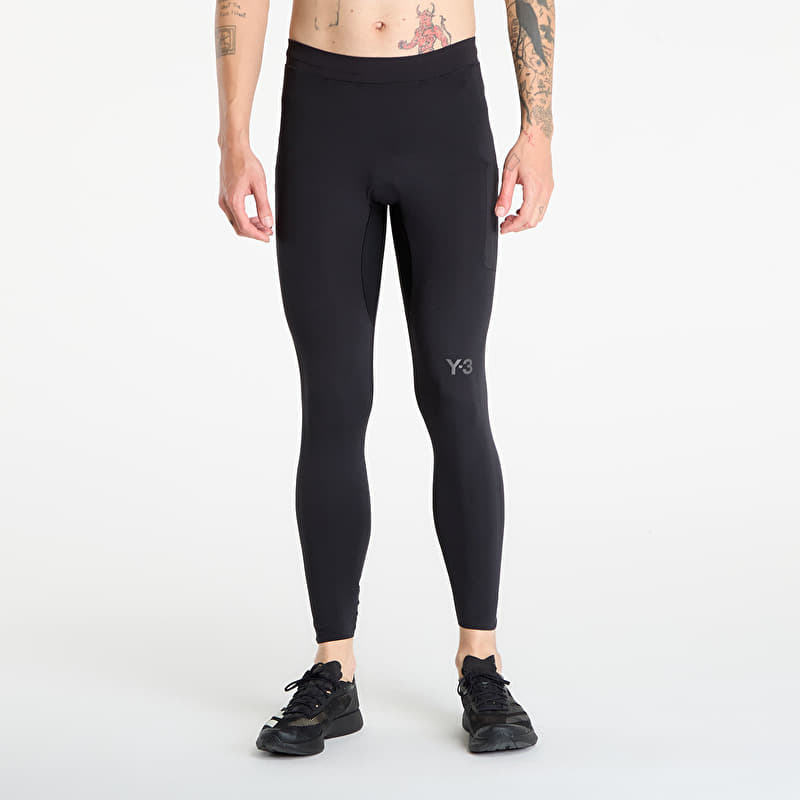
-15 %
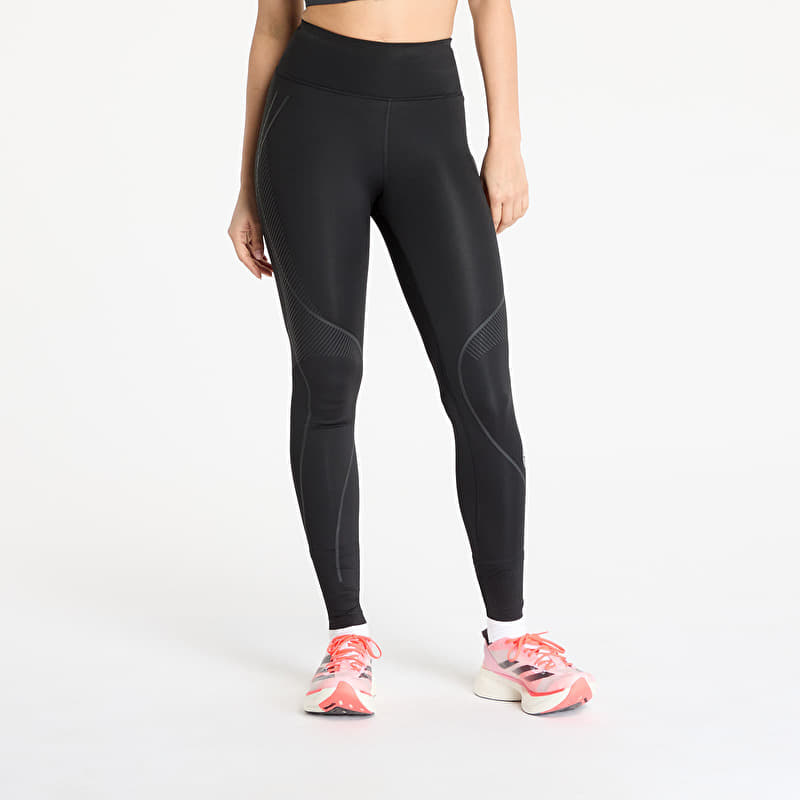
Y-3M Run Tights
€127.49€150.00
Premium Quality

-40 %
EXTRA -15%
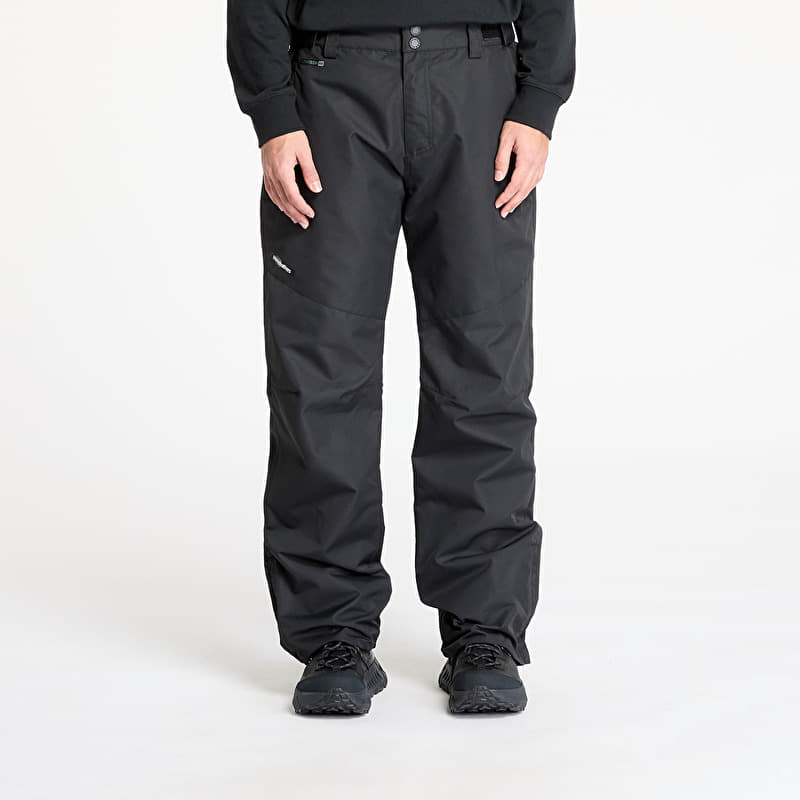
Sports Pants
Compression or Cycling Padding? It Depends on the Sport
Sports pants and leggings are primarily categorized based on whether they support muscles or protect the body while cycling. Compression pants utilize graduated pressure to enhance blood circulation, conserve energy, and shield muscles from exhausting vibrations during running or strength training. In contrast, cycling pants and shorts feature a soft padding insert instead of compression, which absorbs shocks and protects the sit bones during long rides. The choice between long and short variants mainly depends on the weather and ride duration.
What to Focus on When Choosing
- Graduated Compression: Tailored compression technology specifically targets certain muscle groups to conserve energy during long runs or intense training.
- Cycling Padding: A soft insert in the crotch area that absorbs shocks and prevents chafing – cycling shorts often come with suspenders to keep the padding in place during standing rides or aggressive cycling.
- Pants Without Padding: Suitable for running, cross-country skiing, or hiking, where padding is unnecessary and may hinder movement.
- Material and Breathability: Functional synthetics (polyester, elastane) quickly wick away sweat and dry fast; for outdoor pants, reinforced panels at the knees and seat enhance abrasion resistance.
- Water-Resistant or Softshell Finish: Outdoor models protect against rain and wind without restricting mobility while walking in rugged terrain.
Which Sport They Are Suitable For
For cycling, padding is practically essential for rides over an hour – you'll appreciate padded shorts for shorter rides, while long pants are better for cooler months or longer distances. For running and Hyrox, compression leggings or lightweight running pants without padding are preferable, as they support muscles during explosive movements and quick directional changes. For fitness and strength training in the gym, a looser compression variant is sufficient, allowing freedom of movement during squats or deadlifts. For outdoor hiking and cooler weather, opt for more robust, water-resistant pants without compression that can withstand the demands of uneven terrain.